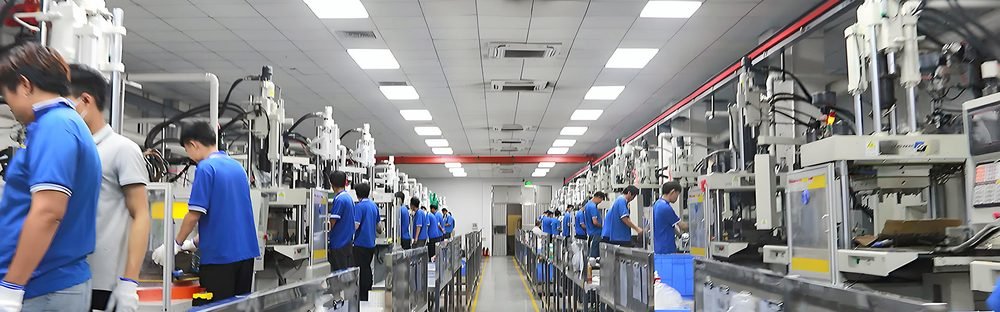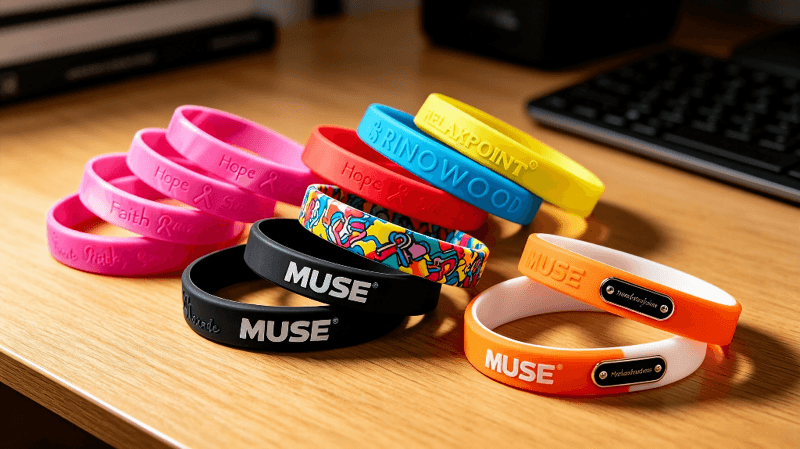
Silicone Bracelets Printing Logo have become a cornerstone in modern promotional and branding strategies. From awareness campaigns to corporate identity tools, their flexibility, durability, and customization capabilities make them highly valuable across multiple industries.
It is made-up with the help of high-grade silicone elastomers. These wristbands offer excellent resistance to heat, UV exposure, moisture, and chemical wear. That’s why it makes them suitable for long-term everyday use.
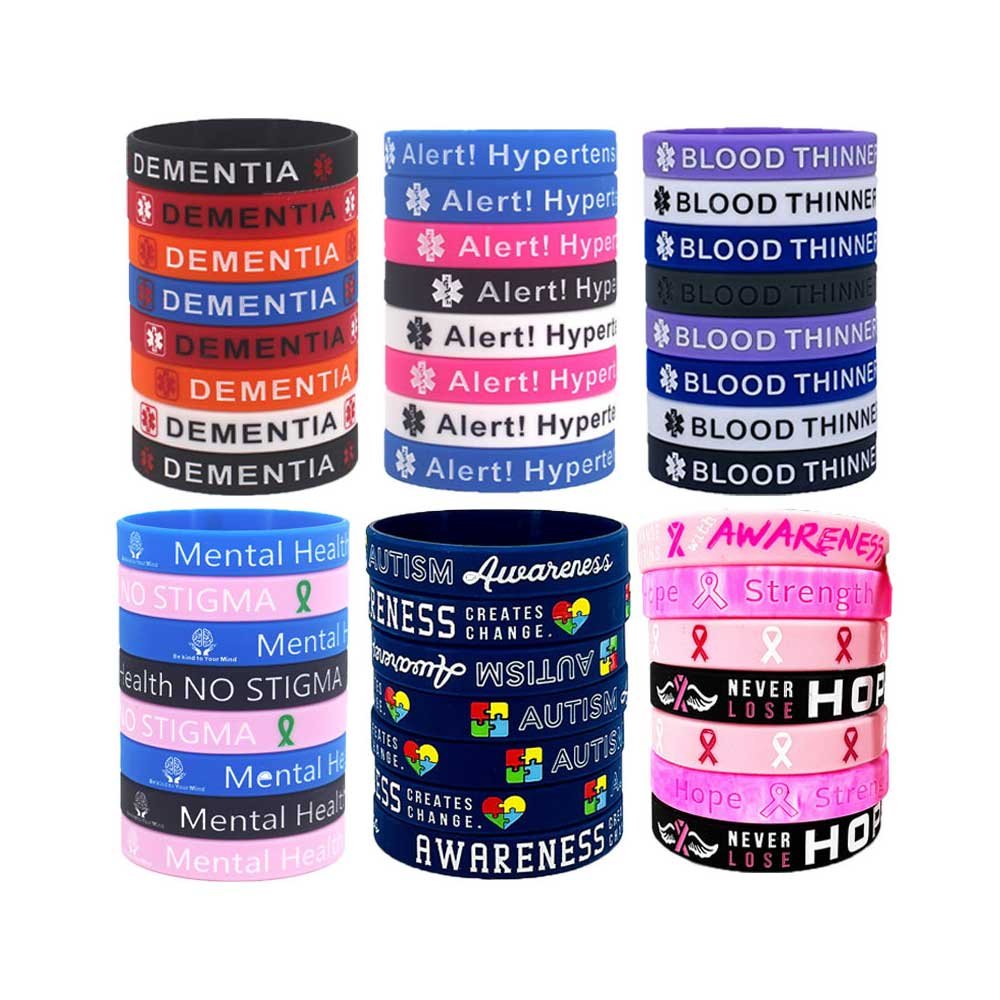
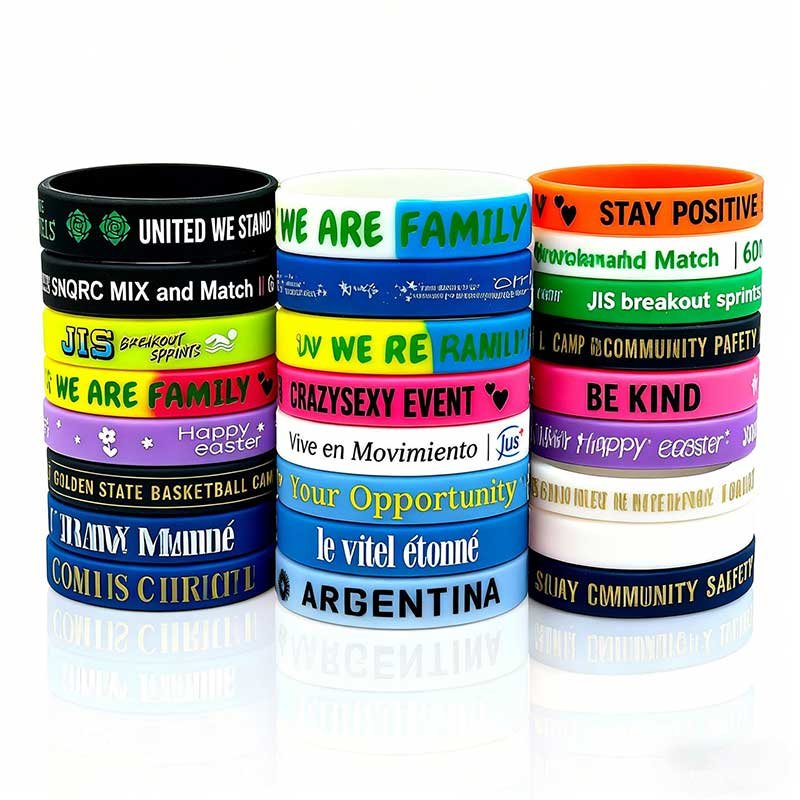
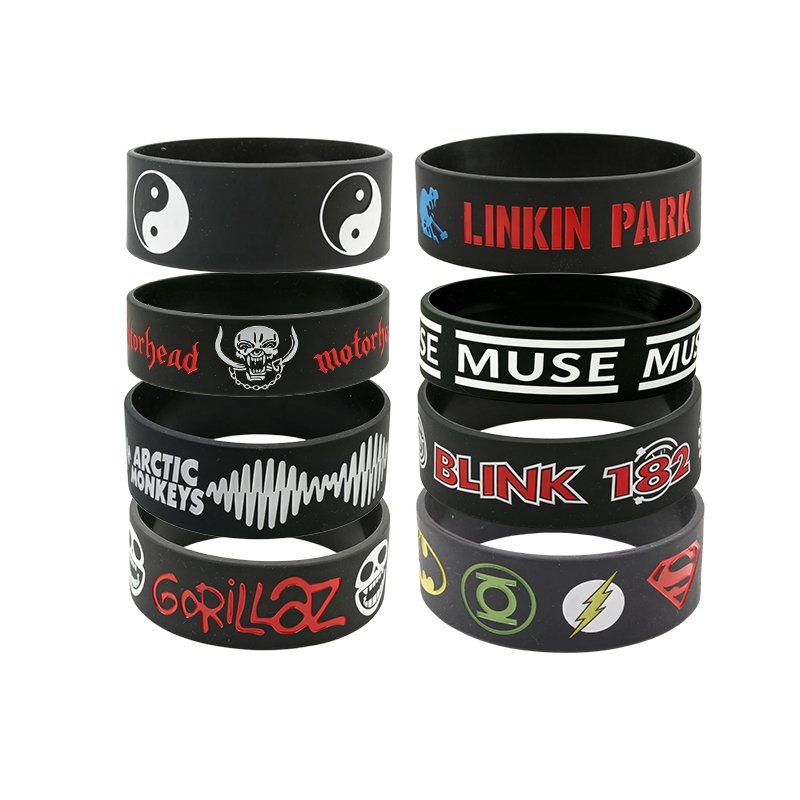
The actual differences arise when it comes to the techniques for printing logos. It is not only the look that will be affected by your choice, but even durability, texture, chemical resistance, and scalability. Factors like adhesion, mold accuracy, curing temperature, and surface preparation can make or break your printed design.
In this guide, we take a look at all the major printing methods available for logos on silicone wristbands. We will assist you to cover their processes, strengths, weaknesses, and applications making wise decisions regarding manufacturing. We’ll also be taking a look at the characteristics of silicone material.
Understanding Silicone Bracelet Customization Processes
Silicone Bracelets Printing Logo are produced through an organized method of manufacturing, which involves both the engineering of materials and designing.
This starts by creating artwork digitally in a vector file format to give the product accurate detailing in the process of manufacturing.
The second stage in the process is molding, done through CNC machining, which gives the exact design and structure of the product.
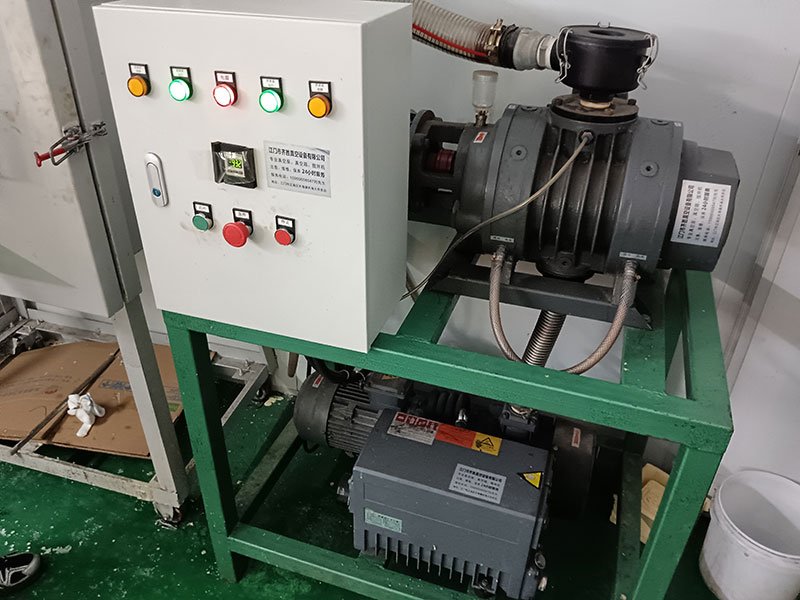
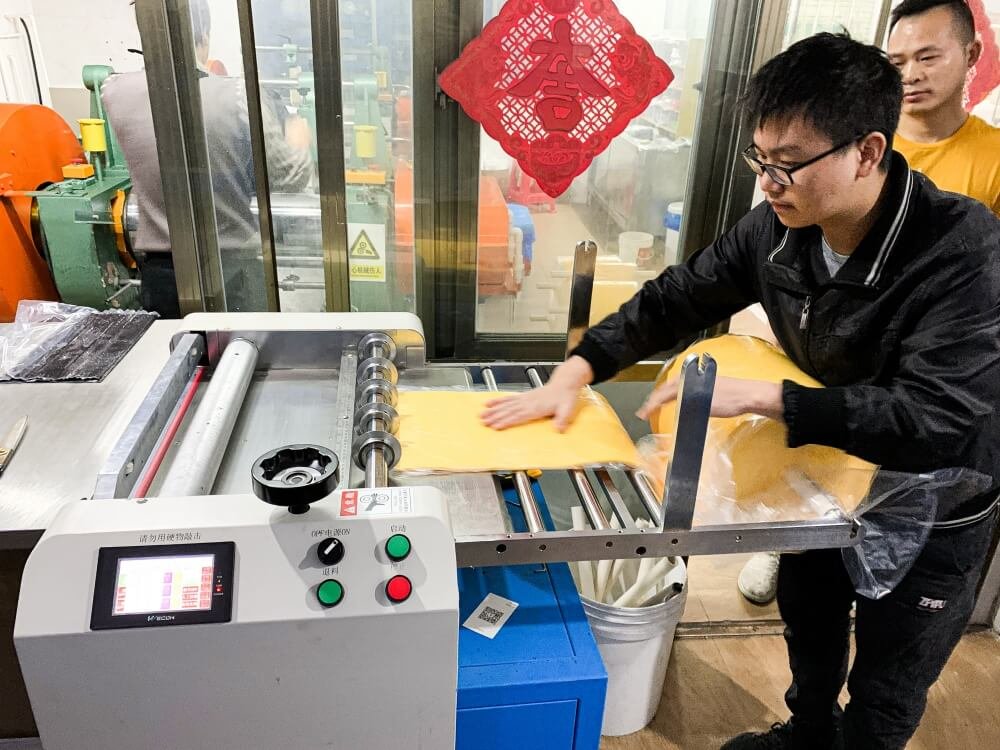
After the silicone has been molded using the compression technique, various forms of personalization will be done according to the intended finish.
Screen printing is used for printing purposes, while laser engraving is used for engraving the designs permanently. Ink injection is used for color filling purposes.
The processes involve the use of curing at certain levels of temperature and pressure. This is the reason why companies invest in custom silicone bracelets with logos.
Why Logo Printing Matters For Silicone Wristband Success?
The printing of a logo on a silicone bracelet is very important when considering its ability to be an effective marketing tool. This has direct bearing on both the effectiveness of the look of the item as well as its performance.
- Brand name visibility
- Durability of the product
- Customer’s attitude toward products
- Cost to producer of the product
Recent studies have found that the market value of logo printing services is estimated to be worth $200 million, suggesting a high growth rate and increased demand for customization technology. This trend is also contributing to an increased demand for custom logo silicone bracelets.
Material Science Behind Silicone Bracelets
To fully grasp the process of logo printing, it is essential to know about the substrate on which it will be done.
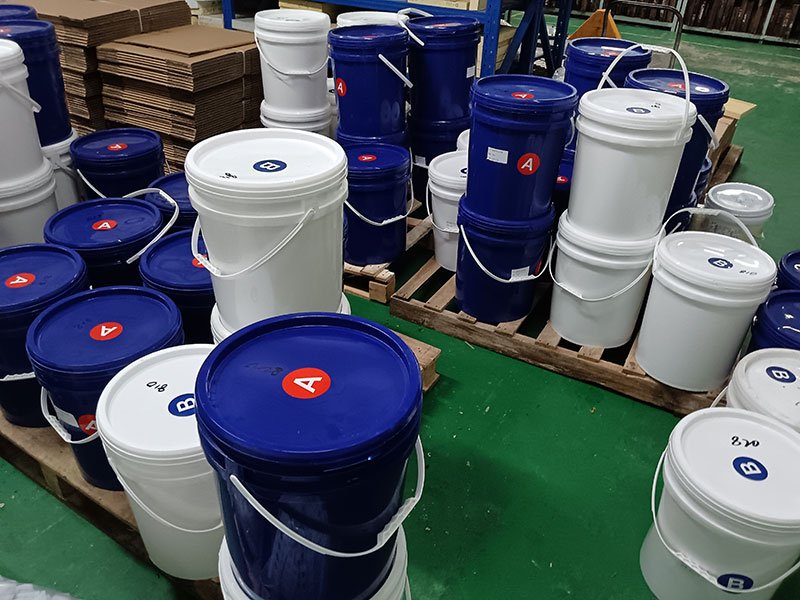
Silicone for use in wristbands is usually either medical-grade or industrial-grade polysiloxane elastomer. Properties of silicone include:
- Thermal stability from -50°C to 250°C
- UV resistance and oxidative stability
- Non-toxic and hypoallergenic formula
- Elasticity and shape memory properties
This makes possible several different printing methods that do not cause damage when applied to the bracelet. It is due to these qualities that custom printed silicone bracelets can be manufactured with a durable print despite extremely tough conditions.
Main Silicone Bracelets Printing Logo Methods:
Silicone Bracelet Print Methods Differ Greatly Due to Their Engineering, Material Interaction, and Process Specifications. All Methods Are Suited For Branding Purposes, Which Span From Inexpensive Manufacturing To Premium Finishing.
1: Screen Printing Technique
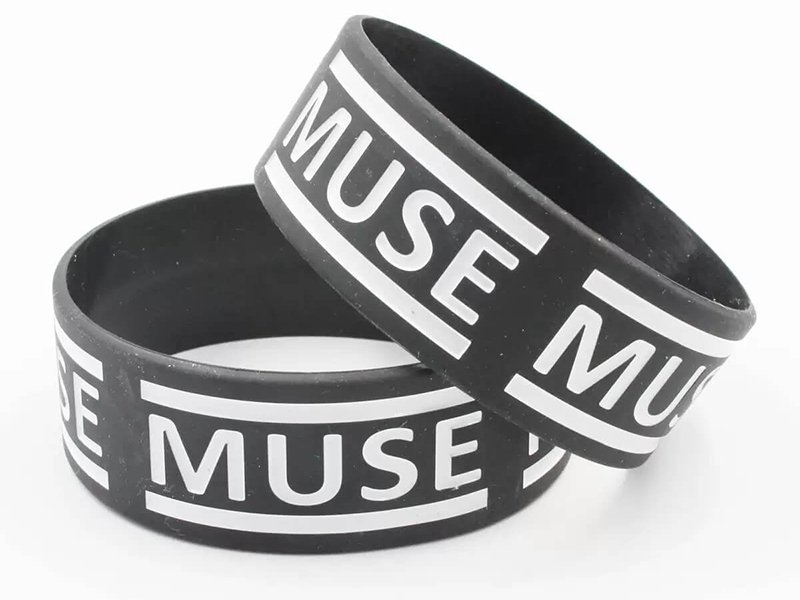
Screen printing is a stencil printing technique commonly used in silicone bracelet production.
Technical Process
- Silk screen mesh preparation via photo emulsion technique.
- Layers required for each colour for accurate alignment.
- Ink is transferred to the mesh through pressure application.
- Curing takes place between 150°C and 180°C.
This method is mostly used for making custom silicone bracelets screen printed where cost-effectiveness and mass production are important factors.
Key Characteristics
- Fast production speed in case of bulk orders
- Can print very bright colors
- Low cost at the initial stage as compared to the amount of production
- Has medium toughness when compared to structural printing
2: Precision Molding For Debossed Branding
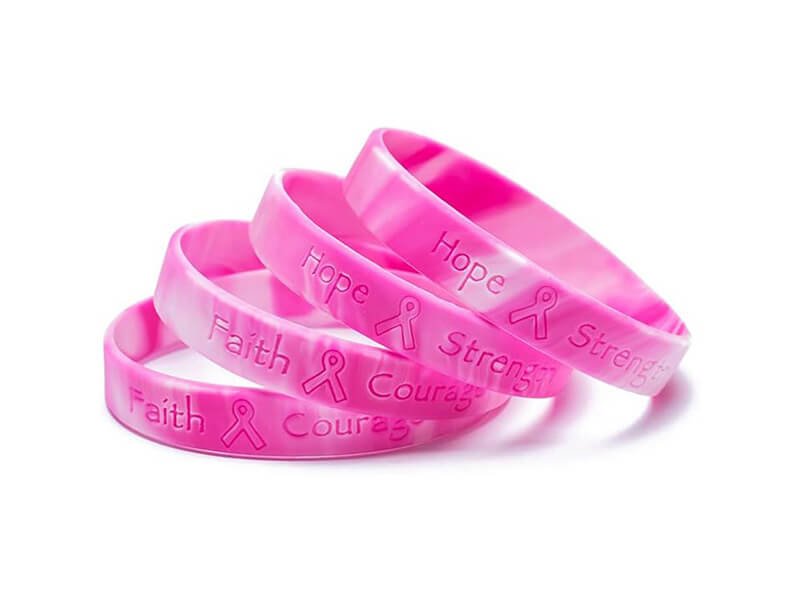
Debossing is a structural engraving method whereby the brand is engraved in the silicone material through compression and mold techniques.
Technical Process
- The CNC mill is used for making precise molds.
- The silicone is placed under compression and heated to form the concave form.
- Coloring can be applied to differentiate.
This technique is commonly employed when making custom debossed silicone bracelets owing to their strength and consistent performance over time.
Advantages
- Material structure incorporation
- Resistance to external factors.
- No dependence on exterior coloring techniques.
Limitations
- Integration of material structure
- Resistance to environmental exposure
- Independent of surface application of ink
3: Laser Engraving Precision Ablation Technology
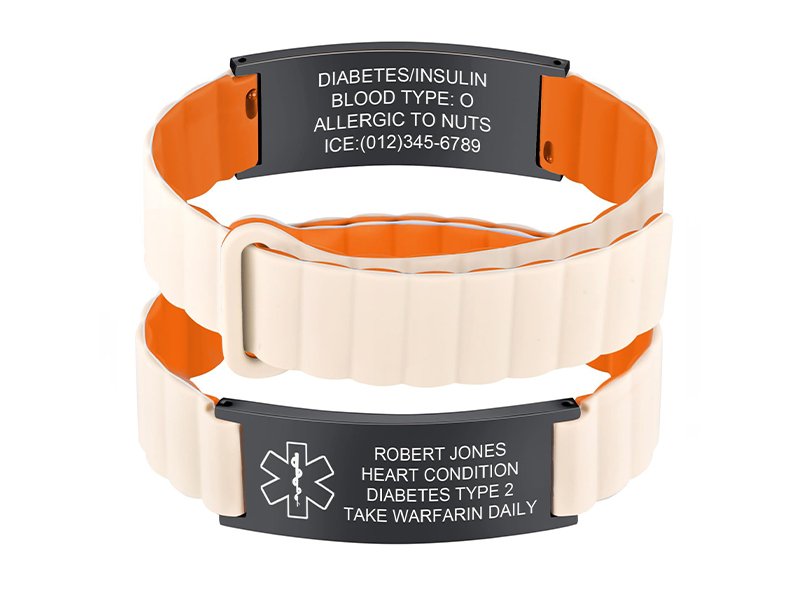
The laser engraving process utilizes energy emitted by a beam to ablate top layers of silicon. The CO2 lasers guarantee consistent depth of ablation and fine detailing without causing any damage to the internal structure of the material.
Key Characteristics
- High accuracy marking in Ultra High Level
- Chemical and ink free process
- Permanent and non-fading mark
- Marking Speed lower
Many brands prefer custom engraved silicone bracelets for premium and long lasting branding.
4: Ink Injection Color Filling System
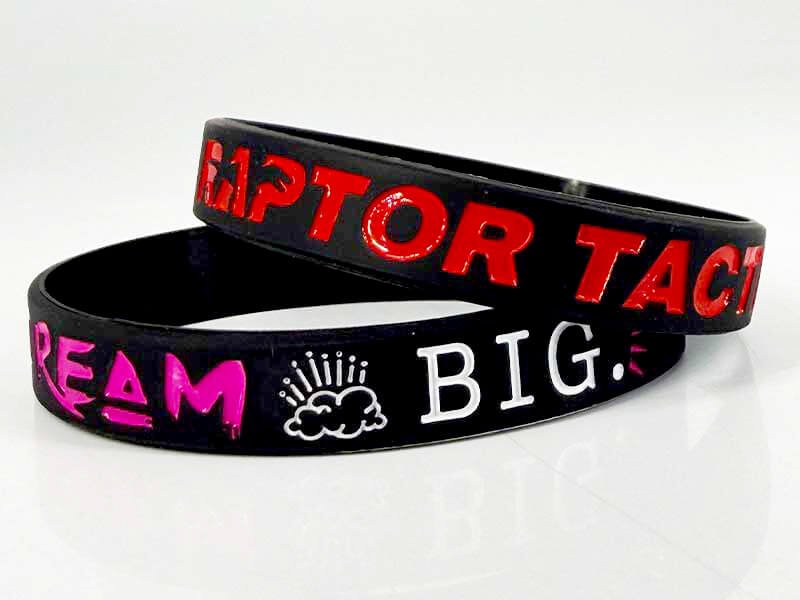
Ink injection is a hybrid technique combining mold based debossing with pigment infusion to create high contrast branding effects.
Technical Process
- Design Created by Recessed Mold
- Ink Printing Using Silicone
- Second Adhesion Curing Process
- Surface Conditioning
This method is commonly used in custom ink injected silicone bracelets for high quality visual output.
Key Characteristics
- Contrast of Colors With Extremely High Punch Value of Transport of Pigment
- Pigments that Will Form a Strong Bond to Produce a Pattern of Several Colors
- Production Is Highly Complex
5: Embossing Raised Surface Engineering
Embossing is the molding process wherein silicone compound rises up when being cured. This technique raises an image to increase both its visual and tactile recognition capabilities.
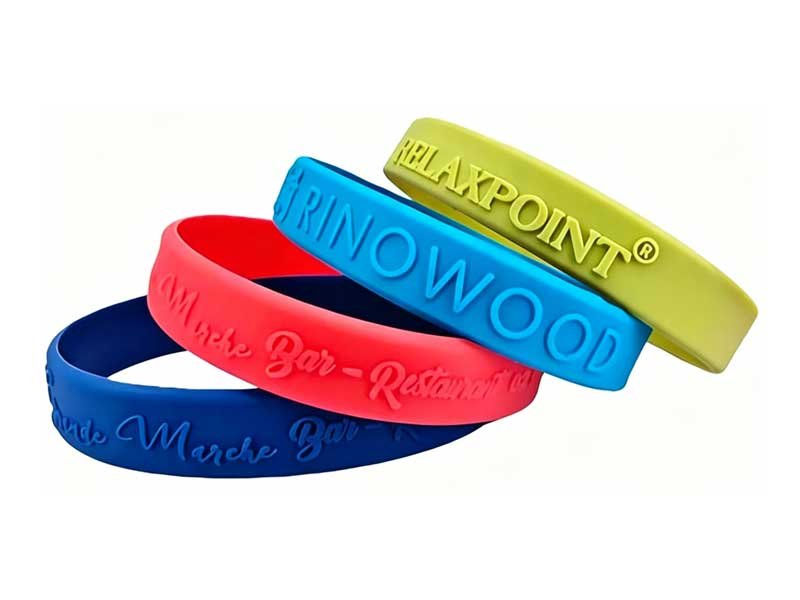
Embossing does not use surface inks. This method is employed in making custom text silicone bracelets wherein legibility and tactile recognition capabilities are important considerations.
6: Full Color Graphic Printing Digital Surface Technology
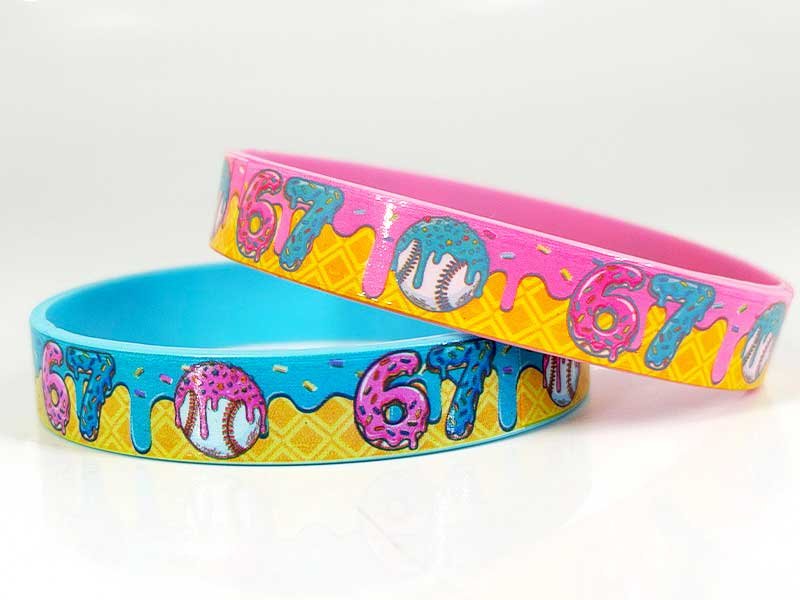
Full-color graphic printing involves the use of digital or transfer technology that allows for the production of intricate designs on silicone bracelets.
This technique is commonly employed in the production of personalized graphic silicone bracelets for contemporary marketing purposes.
Silicone undergoes surface preparation prior to printing to enhance the bonding of the ink and its resilience in environmental conditions.
7: Additional Customization Option
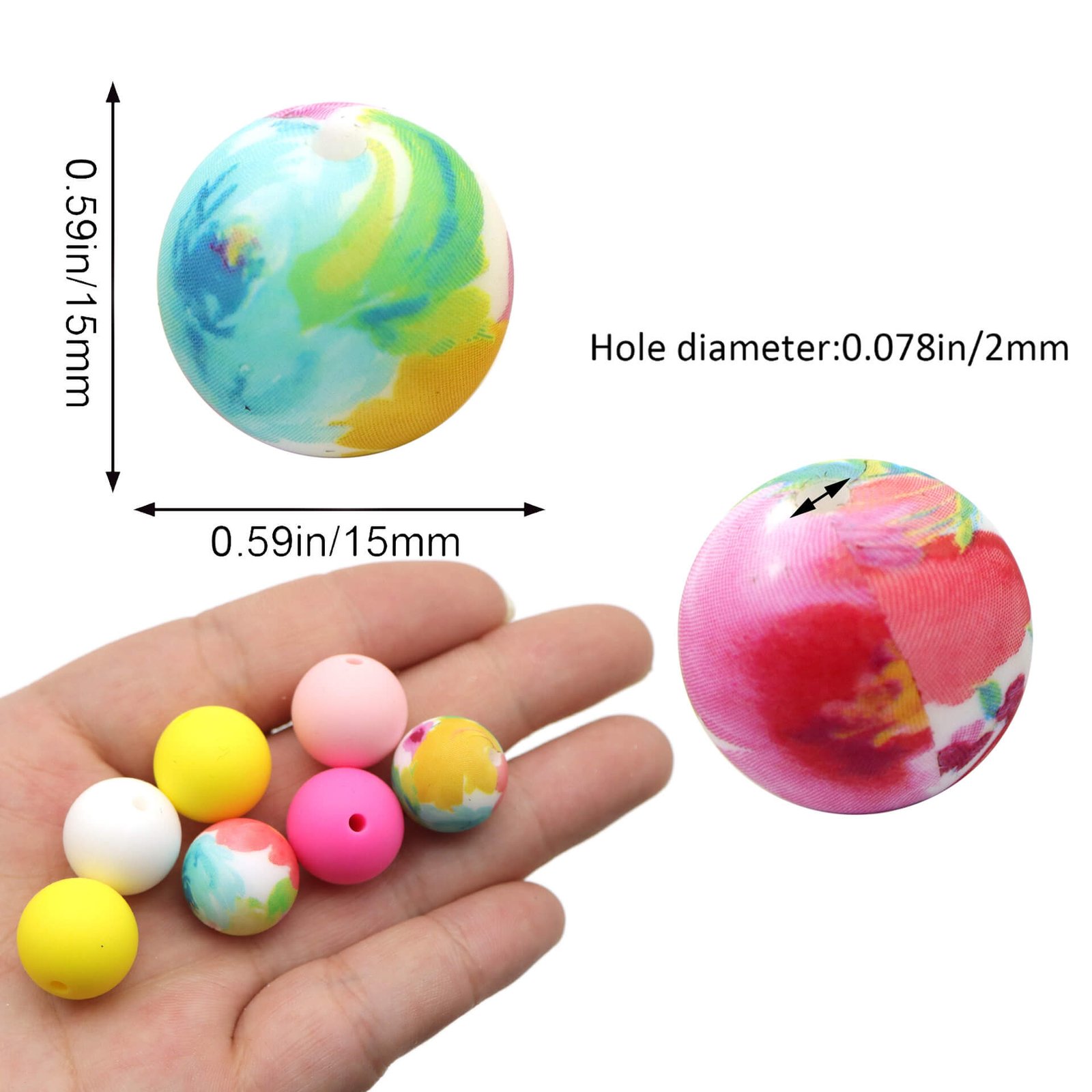
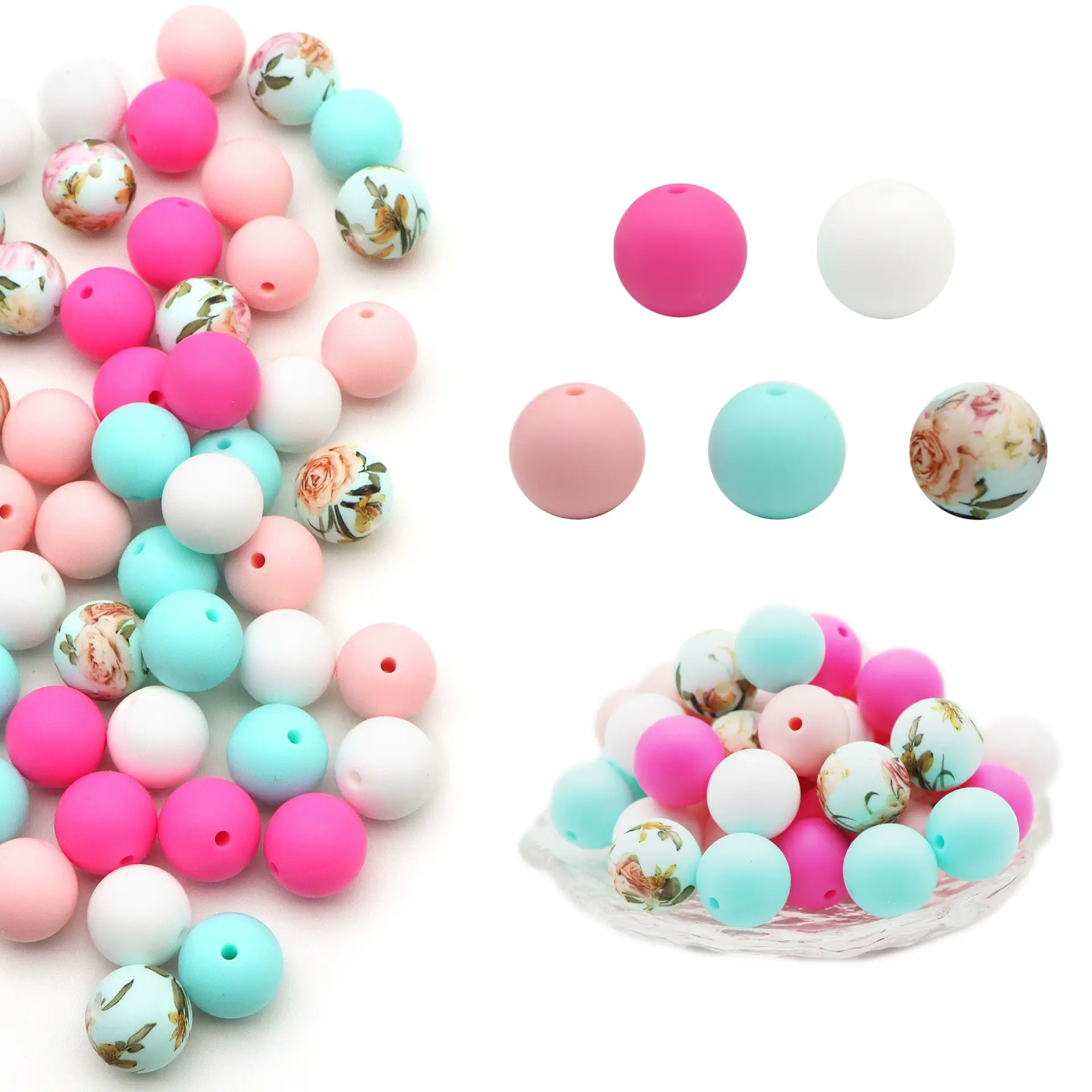
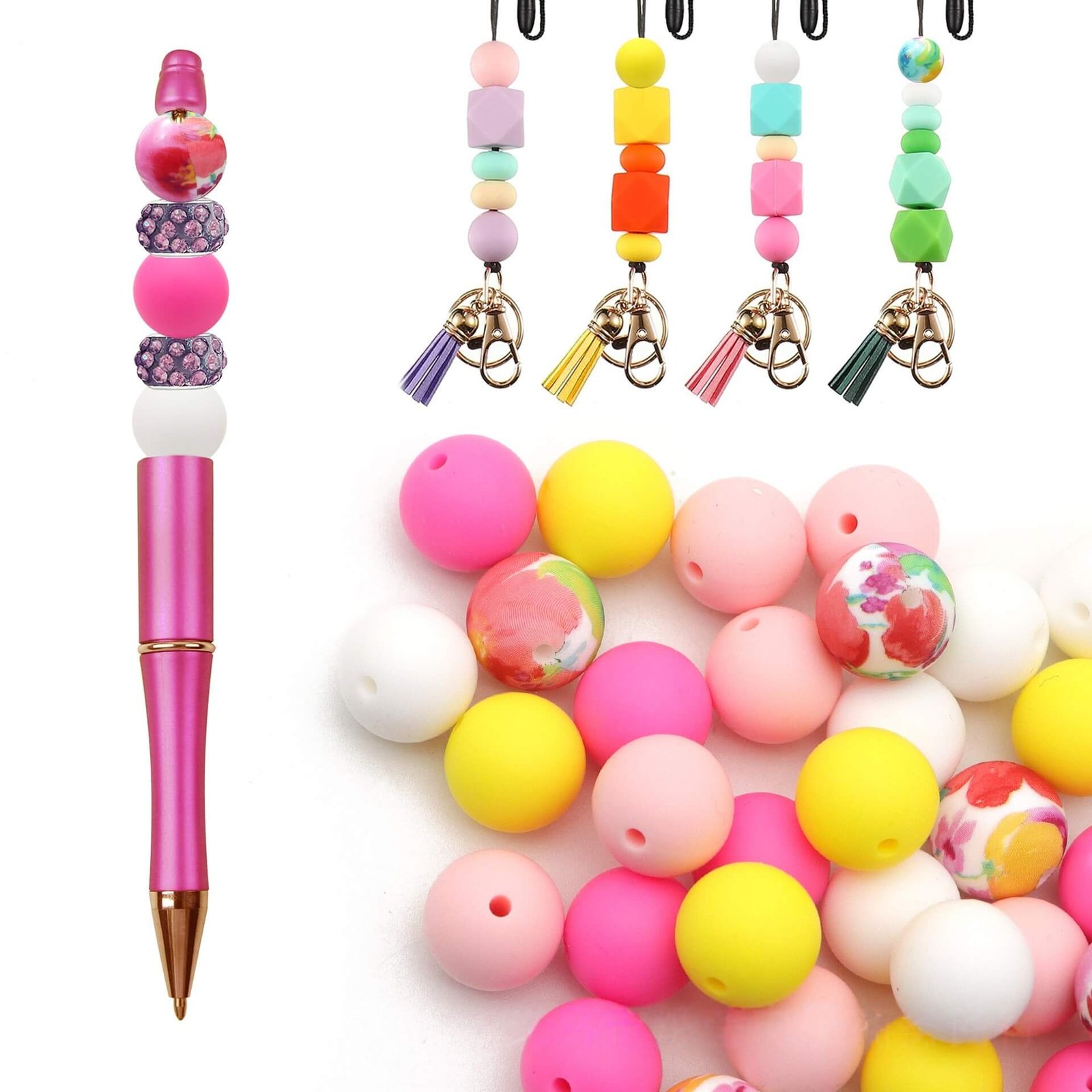
For advanced designs, you can also use custom print silicone 15mm beads for bracelets. This is where the branding elements of your bracelet are printed separately on the silicone beads before being integrated into the bracelet design for enhanced visual appeal.
Laser Engraving Technical Summary
| Category | Detail | Key Point |
|---|---|---|
| Process | CO2 laser engraving | 0.1–0.3 mm depth |
| Mechanism | Beam ablation | No ink used |
| Advantage | Permanent marking | High precision |
| Limitation | Material limits | No color, costly |
Conclusion
Printing logos on silicone bracelets requires expertise in technology, precision, and material sciences. Various printing methods have their own strengths depending on factors such as longevity, design sophistication, and manufacturing costs. Screen printing is economical, whereas debossing and engraving guarantee high-quality results that will last. The ink injection method and embossing techniques provide added value by adding more sophisticated designs.
Graphic printing allows colorful designs that can support innovative advertising campaigns. Selection of the best printing technique will directly influence the success of a brand, its marketing effectiveness, and customer appeal. The rising need for customized merchandise drives advancements in the field of silicone bracelet printing.
Related Posts
- Custom Silicone Mats Production Handbook – Materials, Molding & OEM Solutions
- Full Manufacturing Procedure for Custom Molded Silicone Components
- What Silicone Bracelets Printing Logo Options Do You Offer?
- Custom Silicone Awareness Bracelets Functions Colors Customization & Complete Buying Guide (2026)
- How To Customize Silicone Bracelets
Silicone Bracelets Printing Logo FAQ
What are the main silicone bracelets printing logo?
Among the various methods used for logo printing are screen printing, debossing, embossing, laser engraving, ink injection, and full-color graphics printing. All these differ based on their durability, price, and appearance according to the requirements of branding.
Which printing method is most durable for silicone bracelets?
The techniques of debossing and laser engraving are considered the most durable due to their incorporation into the surface of the material.
What is the difference between debossed and embossed silicone bracelets?
The design for debossed bracelets is impressed on their surfaces, while that for embossed bracelets is projected from them. Debossed bracelets look better and last longer compared to embossed bracelets.
Are custom printed silicone bracelets suitable for outdoor use?
Yes, but durability will depend on the printing method employed. Screen printing is susceptible to fading after a while outdoors, while engraving and ink injection prove more effective in UV light exposure situations.
What are custom silicone bracelets with a logo used for?
They are popularly used for branding, awareness programs, giveaways, fundraisers, and sport marketing because of their low cost and good visibility.
What makes custom engraved silicone bracelets different from printed ones?
Whereas engraving of the bracelet is done using laser technology that burns the pattern permanently into the silicone, the printing method uses ink on the surface of the bracelet.
How are custom ink injected silicone bracelets made?
They are made through the process of forming a debossed mold and pouring colored silicone-based ink in the depressions, after which they are cured to bond permanently.
Can silicone bracelets support full color graphic designs?
Yes, even custom graphic silicone bracelets can be printed in full color through the use of digital printing or transfer printing technology, although they might not be as durable as those made through engraving processes.
What affects the cost of custom silicone bracelets screen printed?
Price is dependent on the volume of order, color, design intricacy, and set-up costs that include preparation of the screen and curing process.
Why are custom personalized rubber silicone wristband bracelets popular?
They are popular due to their customizable nature by personalizing them with names, messages, or serial numbers, thereby making them perfect for any event, promotion, or gifts.